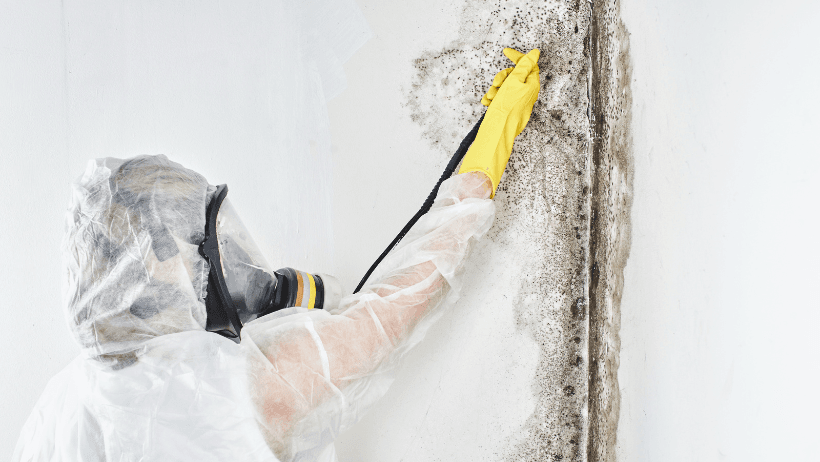
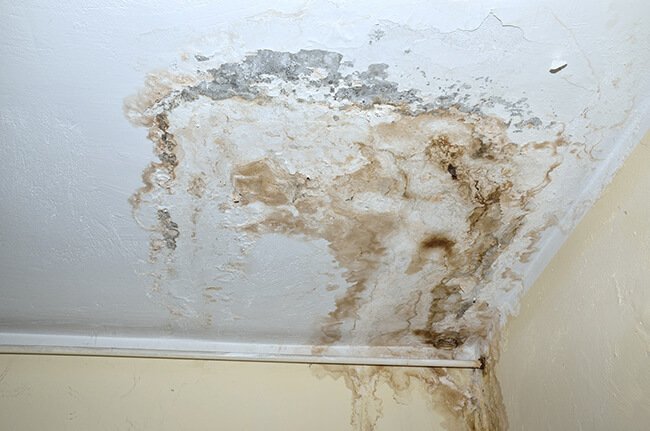
Assess the Affected Area
Moisture-related property concerns

Mold Remediation and Moisture-Related Damage in Richmond, TX

Persistent dampness can affect drywall, flooring and other parts of a home. Understand when mold concerns may need professional attention, what an assessment can cover and how to connect with an independent provider serving your area.


Start by understanding the moisture — not just the visible mark.

Each property needs an assessment based on its own conditions.
 
Residential moisture and mold information
Connections to independent local providers
Questions to ask before work begins
Understanding mold concerns

Mold Remediation for Richmond, TX Properties

Mold can develop where moisture remains for long enough. A plumbing leak, roof leak, appliance overflow or previous water incident may leave building materials damp even after the visible water has gone. If a musty smell, discoloration or recurring damp area appears, it is worth finding out what is causing it rather than simply covering the mark.

Mold remediation is a planned process for addressing mold-affected areas and the conditions that allowed growth. The appropriate work depends on the location, extent of affected material, moisture source and the property’s use. A surface clean alone may not resolve a problem if moisture remains behind a wall, beneath flooring or around a building detail.

Our website helps Richmond-area property owners connect with independent providers who may offer mold assessment or remediation. The provider should explain its scope, qualifications and whether the requested work is within its service capabilities.

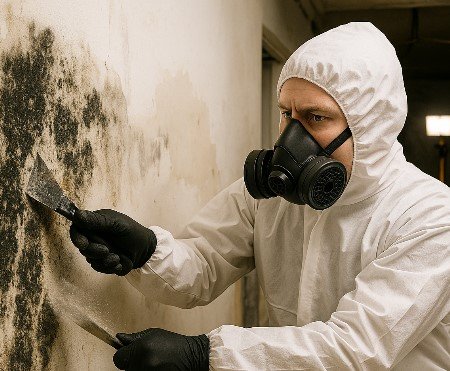
Address the moisture source as part of the plan.

Cleaning or removing visible mold without correcting ongoing moisture can allow the problem to return. Ask how the source will be identified, what materials are affected and how the area will be reviewed after the work.

Confirm the affected materials before restoration begins.

Water damage can spread beyond the areas where staining or dampness is visible. Make sure the inspection covers walls, flooring, insulation and nearby structural materials so the restoration plan addresses the full extent of the damage, not just the visible signs.


Make sure the drying process is properly monitored.

Removing standing water is only the first step in water damage restoration. Ask how moisture levels will be checked, which drying equipment will be used and how the team will confirm that affected areas are thoroughly dry before repairs begin.


02 / Signs worth investigating

When Moisture Problems May Need a Closer Look

Visible growth is not the only clue that a space has a moisture issue. Consider the wider condition of the room and whether the same signs keep returning.

SIGN 01

Recurring Dampness

A wall, ceiling or floor area repeatedly feels damp or shows new marks after it has apparently dried.

SIGN 02

Musty or Persistent Odour

An earthy smell that lingers in a room, closet or enclosed space may warrant checking for hidden moisture.

SIGN 03

Discoloration or Visible Growth

Spots, patches or surface changes can have different causes. A qualified assessment can help determine what is present.

SIGN 04

Water-Damaged Drywall

Staining, bubbling, soft areas or damaged paint may indicate that wall materials have been exposed to moisture.

SIGN 05

Previous Leak or Flooding

A past plumbing leak, roof leak or indoor flooding event can leave moisture in materials that were not fully dried.

SIGN 06

Condensation or Poor Ventilation

Repeated condensation around windows, bathrooms or other areas may point to a moisture-management issue.

 
Assessment before remediation

What a Mold Remediation Assessment May Consider

A useful assessment looks beyond the visible patch. The provider may ask about the history of leaks, past repairs, ventilation and how long the area has been damp. They should explain what they observed and what further evaluation, if any, is recommended.

Where mold-like growth or moisture-related damage is visible.
Whether nearby drywall, flooring, trim or contents may also be affected.
What may be sustaining moisture, such as an unresolved leak or condensation.
Whether containment or other precautions are appropriate for the proposed work.
Which materials may be cleaned, treated, removed or assessed by another specialist.
How the work area and moisture conditions will be reviewed after remediation.
Related service options

Water Damage and Mold-Related Services

MOLD CONCERNS

Mold Remediation

Addressing identified mold-affected areas while considering the moisture conditions that contributed to the growth.

WATER INCIDENTS

Water Damage Cleanup

Cleaning and assessing affected rooms, surfaces and belongings after a leak or indoor water event.

WATER REMOVAL

Water Extraction

Removing standing water from accessible areas as an early step in responding to some water damage incidents.

MOISTURE CONTROL

Structural Drying

Drying and monitoring building materials that remain damp after the water source has been addressed.

PLUMBING LEAKS

Burst Pipe and Leak Damage

Reviewing water-affected areas after a pipe failure, roof leak or appliance leak has been stopped or repaired.

FLOOD EVENTS

Flood Damage Restoration

Considering cleanup and drying needs after indoor flooding, with the water source and possible contamination taken into account.

 
Typical stages

What Happens During Mold Remediation?

The exact sequence varies with the property and provider’s assessment. A clear plan should explain the work area, materials involved and how the moisture issue will be addressed.

Review the Concern

Discuss visible signs, prior leaks, affected rooms and how long the moisture issue may have been present.

Assess the Affected Area

Identify the visible extent, potentially affected materials and any need for further inspection or testing.

Plan the Remediation

Clarify precautions, containment where appropriate, material handling and proposed cleanup or removal work.

Address Moisture and Review

Confirm how the moisture source will be corrected and what checks or documentation follow the work.

 
Prevention and follow-through

Why the Moisture Source Should Be Addressed

Mold remediation is unlikely to be a lasting solution if water continues entering the same area or damp conditions persist. The source may involve plumbing, roofing, drainage, condensation or ventilation. The repair itself may need a plumber, roofer or other trade separate from the remediation provider.

Before approving work, ask who is responsible for correcting the source, whether that work is included in the estimate and how you will know the affected materials have been adequately addressed.

ZIP code coverage is not guaranteed.

These ZIP codes are local areas of interest for this website. They do not mean every independent provider serves every address in each ZIP code. Ask the provider to confirm current coverage and applicable qualifications.
Local service information

Mold Remediation in Richmond, TX

Water Restorations Expert is an independent referral website for property owners seeking information and connections to local restoration providers. Providers may have different service boundaries and may not cover every address in Richmond or nearby communities. Confirm availability for your exact property location before scheduling an assessment.

77406
77407
77469
Common questions

Mold Remediation FAQs

Answers to questions Richmond property owners may have after noticing moisture-related damage or possible mold.

Yes. When building materials or contents remain damp, mold may develop. The likelihood depends on factors such as moisture, material type, temperature and how long the area stays wet. Addressing the water source and drying affected materials can help reduce conditions that support growth.

Consider seeking a qualified assessment when you see recurring or widespread mold-like growth, notice persistent musty odours, or have concerns about materials affected by a previous leak or flooding. If the affected area is extensive or involves HVAC systems, seek appropriate professional advice rather than disturbing the material yourself.

The process may include reviewing the affected area, determining the work scope, using appropriate precautions or containment, cleaning or removing affected materials, and addressing moisture conditions. The precise method depends on the property and should be explained before work begins.

If a leak, condensation problem or other source of dampness continues, materials can become wet again and mold may return. Ask whether source repair is included or whether you need a separate plumbing, roofing or building professional.

Painting over visible growth does not address underlying moisture or properly resolve affected materials. First understand why the area became damp and whether remediation or material removal is needed.

No. The response depends on the size and location of the affected area, material condition, moisture source and possible contamination. A provider should explain why its recommended approach fits the conditions observed.

Concerned About Mold or Moisture in Your Richmond Property?

Share the general issue and your location to ask about a possible connection with an independent local provider. Provider qualifications, services and availability must be confirmed directly.