
Indoor flooding can affect more than the visible water on your floor. The next steps should account for where water traveled, which materials were affected and what the property needs before restoration can move forward.
Flood damage restoration · Richmond, Texas
Flood Damage Restoration in Richmond, TX Properties
When water enters your home
Flood Cleanup Starts With Understanding What Got Wet
Floodwater can move from one room into adjoining spaces, settle beneath furniture and reach materials that are not immediately obvious. A careful first look helps establish the visible impact and identify where further inspection may be needed.
Flood damage restoration is not simply about removing water from the floor. The condition of the water, the surfaces it contacted and the time materials have remained wet all influence the cleanup and restoration decisions that follow.
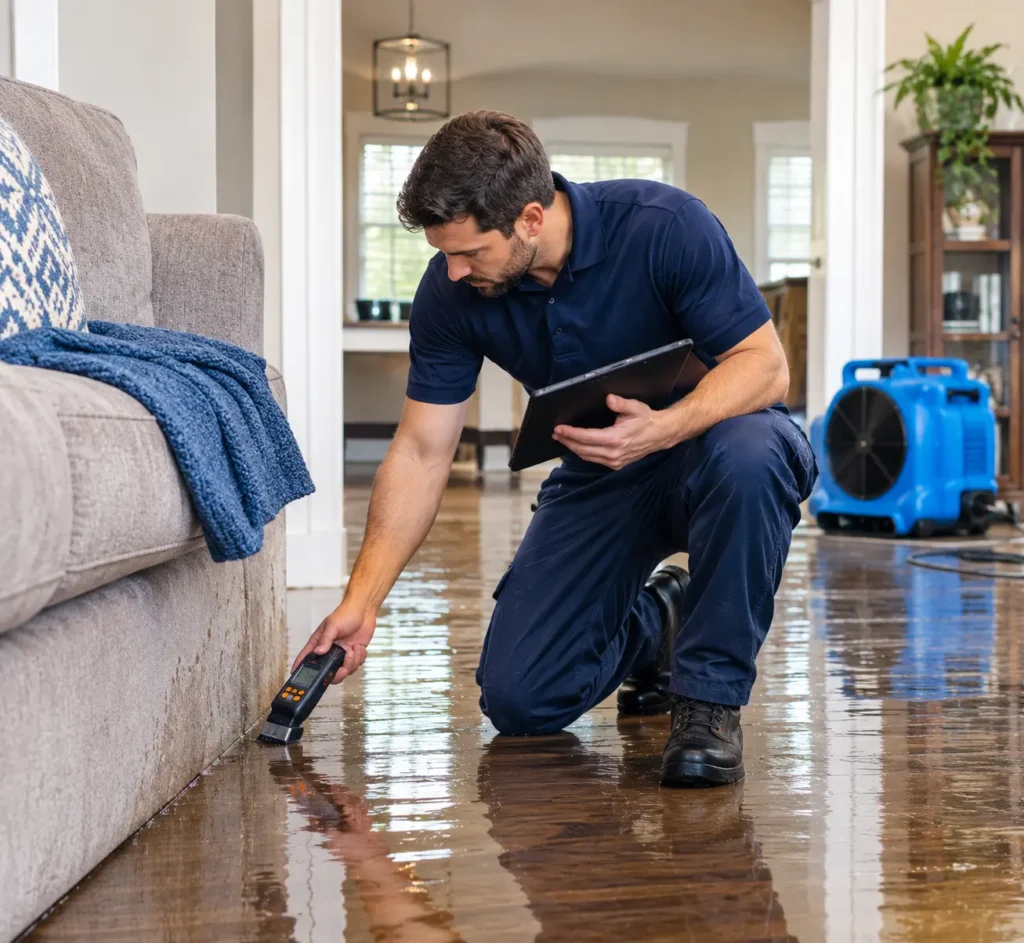
What floodwater can affect
One Flood Event Can Create Several Property Concerns
The visible water is only one part of the picture. A flood-affected home may need different areas reviewed separately before the restoration scope is decided.
01 / FLOORING
Floor coverings and subfloors
02 / WALLS
Baseboards and lower walls
03 / CONTENTS
Furniture and household items
04 / HIDDEN AREAS
Adjacent rooms and concealed spaces
05 / AIR & MOISTURE
Lingering moisture
06 / WATER SOURCE
Type and source of water
FLOOD RESTORATION SERVICES
Our Flood Damage Restoration Services
Flooding can leave different types of damage throughout a home. Some properties need standing water removed, while others require attention to affected flooring, interior surfaces or moisture trapped inside building materials. The right restoration work depends on what happened and how far the water reached.
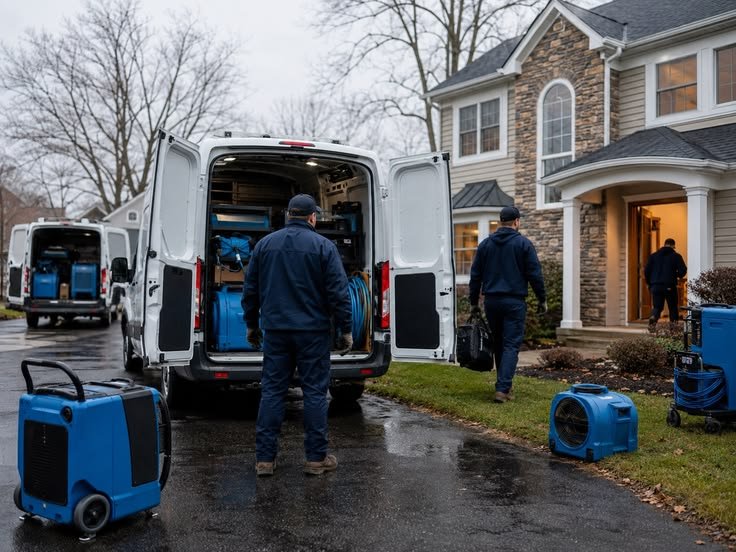
Flood Water Removal
When floodwater collects inside your home, removing the accumulated water is an important part of the initial response. The appropriate removal method depends on the amount of water, the affected rooms and the condition of the property.
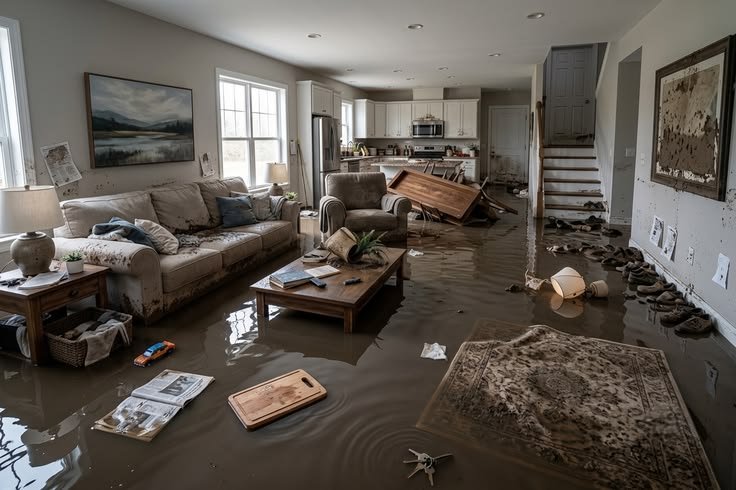
Flood Damage Cleanup
Water entering a home can leave behind wet belongings, affected surfaces and debris. Flood damage cleanup focuses on addressing the areas impacted by the incident and determining which materials can be cleaned and which may need further attention.
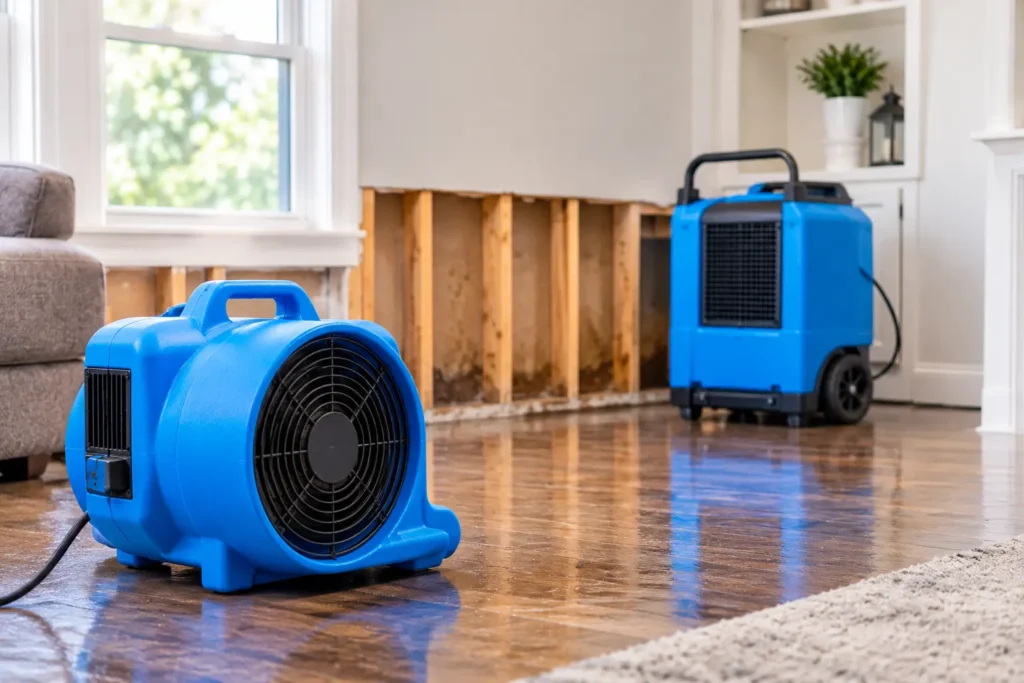
Structural Drying
Even after visible water has been removed, moisture can remain inside flooring, walls and other building materials. Structural drying focuses on reducing that remaining moisture through suitable drying equipment and ongoing assessment of affected areas.
Moisture Assessment
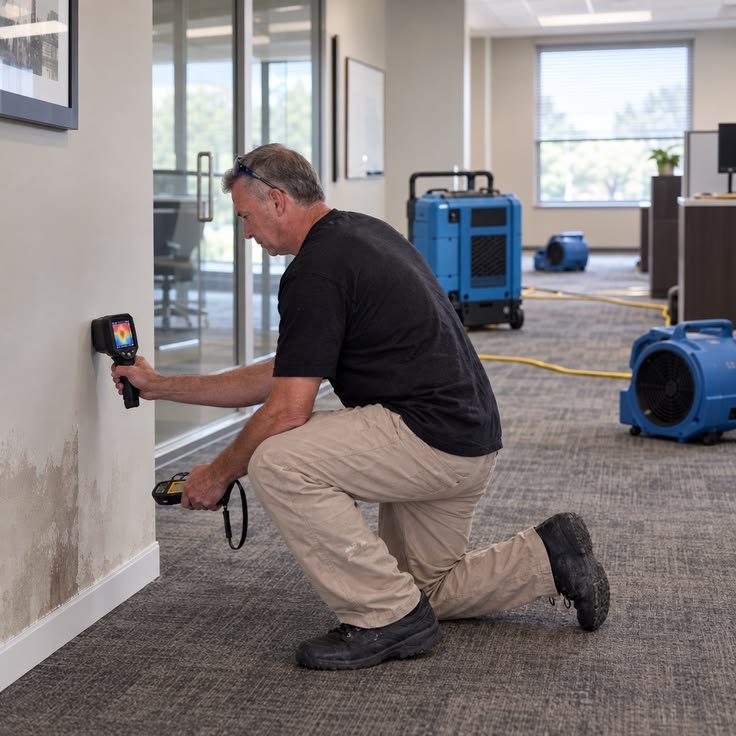
Not all water damage is easy to see. Moisture may remain around baseboards, beneath flooring or in areas beyond the original water accumulation. A moisture assessment helps identify potentially affected materials and determine whether additional drying or restoration work may be needed.
First priorities
What Should Homeowners Do After Indoor Flooding?
Before cleanup begins, focus on people’s safety and avoid disturbing materials until the source and conditions are understood.
If water is near electrical outlets, appliances or a service panel, do not enter the affected area. Contact the appropriate utility or qualified professional. If the flooding may involve sewage or outside floodwater, avoid direct contact and keep children and pets away.
Practical first steps
Dealing With Flood Damage in Richmond, TX?
Tell us what happened, which areas were affected and whether water is still present. We can discuss your situation and help clarify the next step and service availability
A property-specific review
How Flood-Damaged Areas Are Assessed
There is no single cleanup plan for every flooded property. The assessment should reflect the water source, the affected materials and the extent of water travel.
From first look to recovery plan
A Clearer Path After a Flooding Incident
A structured sequence helps keep the work focused on the condition of the property instead of relying on a one-size-fits-all cleanup checklist.
01
02
03
04
05
Choosing the right response
Flood Cleanup and Water Mitigation: Related, But Different
These terms are often used together, but they describe different parts of responding to water damage.
Flood Cleanup
Affected surfaces
Contents and debris
Cleaning needs
Water Mitigation
Water removal
Moisture checks
Damage control
Local service-area focus
Flood Damage Restoration in Richmond, Texas
Our location planning is focused on Richmond-area residential properties within the ZIP codes listed here. The exact property address and confirmed availability determine whether service can be provided.
Whether flooding affects one room or several connected spaces, the first step is to describe the event and identify the areas that need attention. If you are outside these ZIP codes, contact the team to ask about current coverage rather than assuming availability.
Richmond target ZIP codes
77406
77407
77469
Richmond, TX · Fort Bend County area
ZIP-code references are service-area targets, not a guarantee that every address in each ZIP is covered.
Flood restoration questions
Know What to Expect After Indoor Flooding
Clear answers can help homeowners understand the difference between immediate safety steps, cleanup and longer-term restoration work.
Prioritize safety, keep people away from potentially contaminated or electrically unsafe water, address the source only if safe, document visible damage when possible and arrange an appropriate assessment.
The scope depends on the event. It may include removing standing water and affected debris, evaluating contents and surfaces, cleaning suitable materials and identifying areas that need further drying or restoration.
The type of flooring, how long it was exposed, the water source and whether moisture reached underlayment or subflooring are all relevant. Some materials may be restorable while others may require removal.
Flood cleanup addresses water-affected spaces, contents and surfaces. Water mitigation focuses on limiting additional damage, which can include water removal and moisture-related steps.
Not necessarily. Stormwater or outside floodwater may carry contaminants that are not present in a clean-water plumbing release. The water source should be considered before anyone handles affected materials.
No. Materials may retain moisture after visible water is gone. Further assessment, drying, cleaning or selective removal may be needed depending on the property’s condition.
Take the next step
Need Help After Flooding at Your Richmond Property?
Describe the flooding, the rooms involved and the type of water if known. Contact the team to discuss your property and ask about flood damage restoration availability in Richmond, TX.