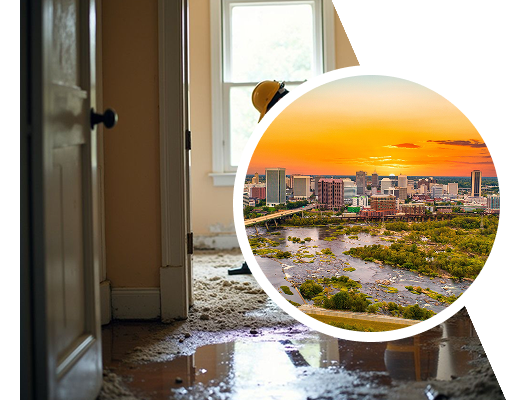
Water can affect more than the surface you first notice. Explore cleanup considerations for wet rooms, flooring, drywall and belongings, then connect with an independent provider who may serve your area.
Water damage cleanup · Richmond, Texas
Professional Water Damage Cleanup Services in Richmond, TX
Understanding the cleanup
Water Damage Cleanup for Richmond Properties
After a leak, appliance failure or indoor flooding, water may spread across floors and into materials that are not immediately visible. Water damage cleanup is the work of addressing affected spaces, surfaces and contents after the source of water has been controlled.
The right approach depends on where the water travelled, how long materials stayed wet, the type of water involved and the condition of the property. Some items may be suitable for cleaning; others may need specialist assessment or replacement.
For Richmond, TX property owners, the first step is to understand the affected areas and discuss the situation with a service provider who can confirm whether the property falls within their coverage.
Areas that may be affected
Which Areas and Materials May Need Cleanup?
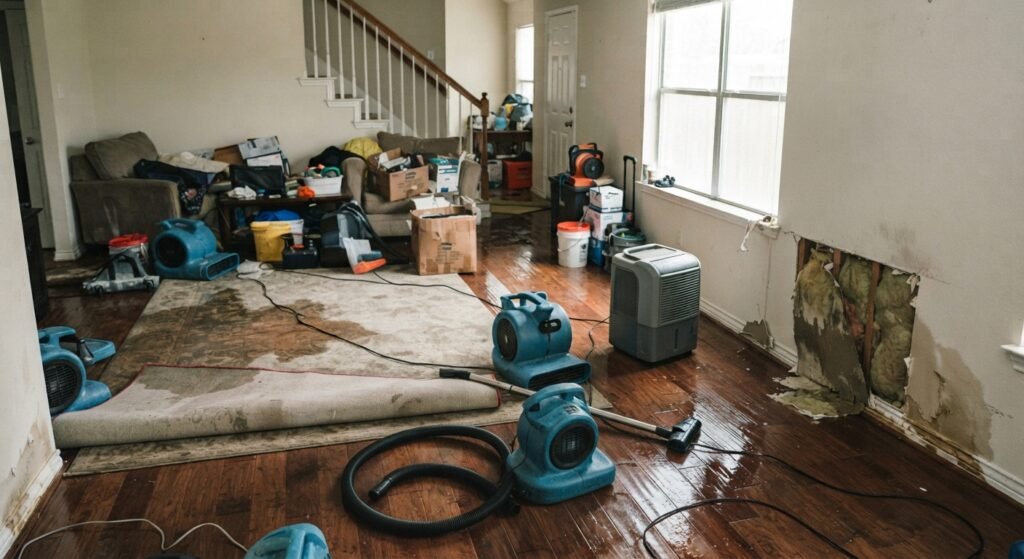
Water damage can reach several parts of a property. A cleanup assessment helps identify visible damage and areas that may need closer inspection.
01 — FLOORING
02 — HARD SURFACES
03 — WALLS
04 — CONTENTS
05 — INTERIOR SPACES
06 — HIDDEN AREAS
Material-specific considerations
Carpet, Flooring and Drywall Cleanup Considerations
Carpet
consider the carpet, underlay and what type of water reached them
Hard flooring
inspect seams, edges and nearby transitions signs of trapped moisture
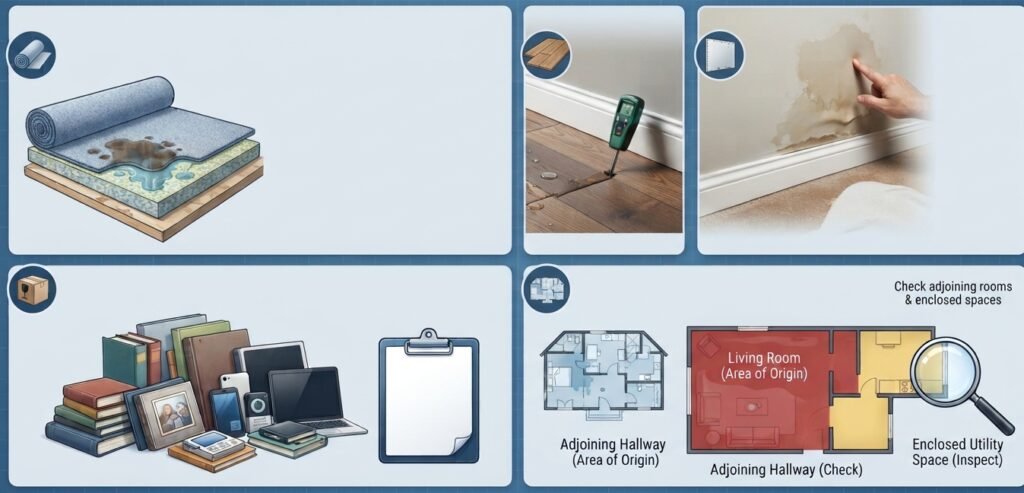
Drywall
look for staining, soft spots, swelling or moisture around baseboards
Contents
separate affected belongings where safe and document visible damage.
What to expect
What Happens During a Water Damage Cleanup Assessment?
The exact work varies by property. These are common discussion points when an independent restoration provider assesses a water-affected space.
The specific recommendations depend on the extent of the damage, the materials involved, and the conditions found during the initial assessment.
1. Discuss the Incident
2. Review Affected Areas
3. Determine Cleanup Needs
4. Confirm the Work Plan
Know the difference
Cleanup vs. Water Extraction: What’s the Difference?
These terms are related, but they describe different parts of responding to water damage.
Water Extraction
Water Damage Cleanup
Water damage cleanup is broader. It considers affected rooms, surfaces, materials and belongings after the water source is addressed.It also guides the overall restoration process.
Concerned About Moisture After Water Damage?
Tell us which rooms or materials were affected and what water event occurred. Our team can discuss the situation and confirm whether structural drying assistance is available for your Richmond property.
Local service coverage
Water Damage Cleanup in Richmond, TX
This website helps Richmond-area property owners connect with independent water damage restoration providers. Coverage and availability depend on the provider and the property’s exact location. Ask to confirm service for your address before arranging an appointment.
77406
77407
77469
Related cleanup needs
Water Damage Cleanup Services and Related Help
SERVICE 01
Water Extraction
SERVICE 02
Flood Damage Cleanup
SERVICE 03
Structural Drying
SERVICE 04
Burst Pipe Water Damage
SERVICE 05
Leak-Related Water Damage
SERVICE 06
Sewage and Mold Concerns
Frequently asked questions
Water Damage Cleanup FAQs
Helpful answers to common questions about cleanup after indoor water damage.
The scope depends on the incident. It may include reviewing affected rooms, removing remaining water, cleaning suitable surfaces, assessing damaged materials and arranging drying or specialist work where needed. Ask the provider for a written scope before work begins.
Not always. The decision depends on the water source, how long the carpet and padding were wet, the material condition and any contamination. A qualified provider can assess whether cleaning, drying or removal is appropriate.
It depends on the extent of exposure, the type of water and the condition of the drywall. Swelling, softening, contamination or moisture inside a wall may require more than surface cleaning. Have the material assessed before deciding.
Keep people away from unsafe or contaminated areas. If it is safe, stop the source of water and avoid electrical hazards. Do not enter standing water where electrical equipment may be affected. Photograph visible damage and keep a record of affected belongings.
Water mitigation generally focuses on limiting further damage, such as addressing the water source, removing water and starting drying. Cleanup may include cleaning affected surfaces and contents. Providers may use these terms differently, so confirm the exact work included in an estimate.
No. Water Restorations Expert is an independent referral website. We help connect property owners with independent service providers who may serve their area. The provider—not this website—confirms availability, pricing, scope and performs any restoration work.
Looking for Water Damage Cleanup in Richmond?
Tell us about the affected area and your location. Your inquiry may be connected with an independent service provider for follow-up. Provider availability varies.